To See the Beauty - Film
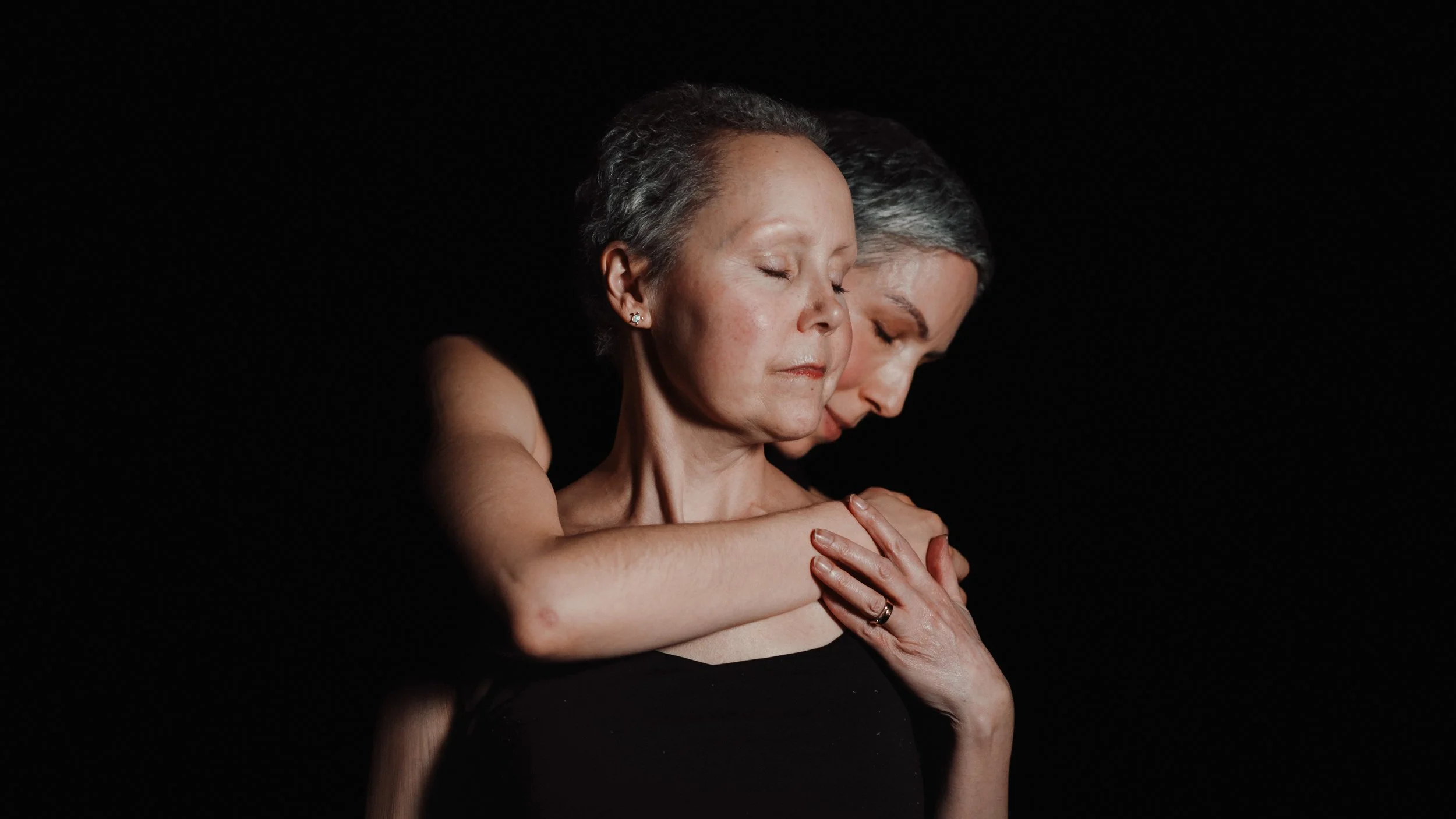
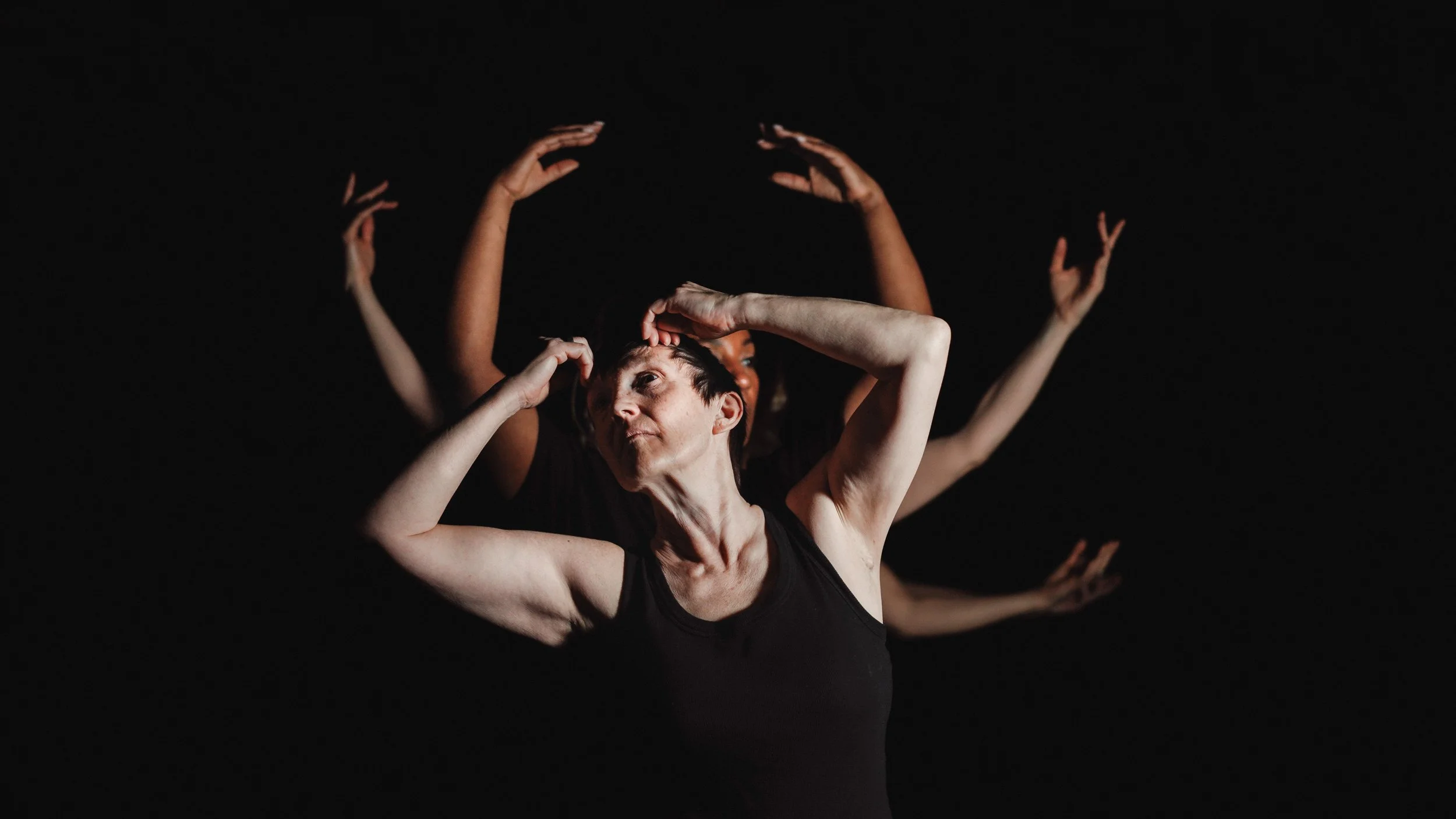
To See the Beauty is a film that invites you to do just that - to look beyond illness and connect to the light, even amidst the dark. It places creativity, not cancer, at its centre, allowing artistry to bring women’s lived experiences to the screen.
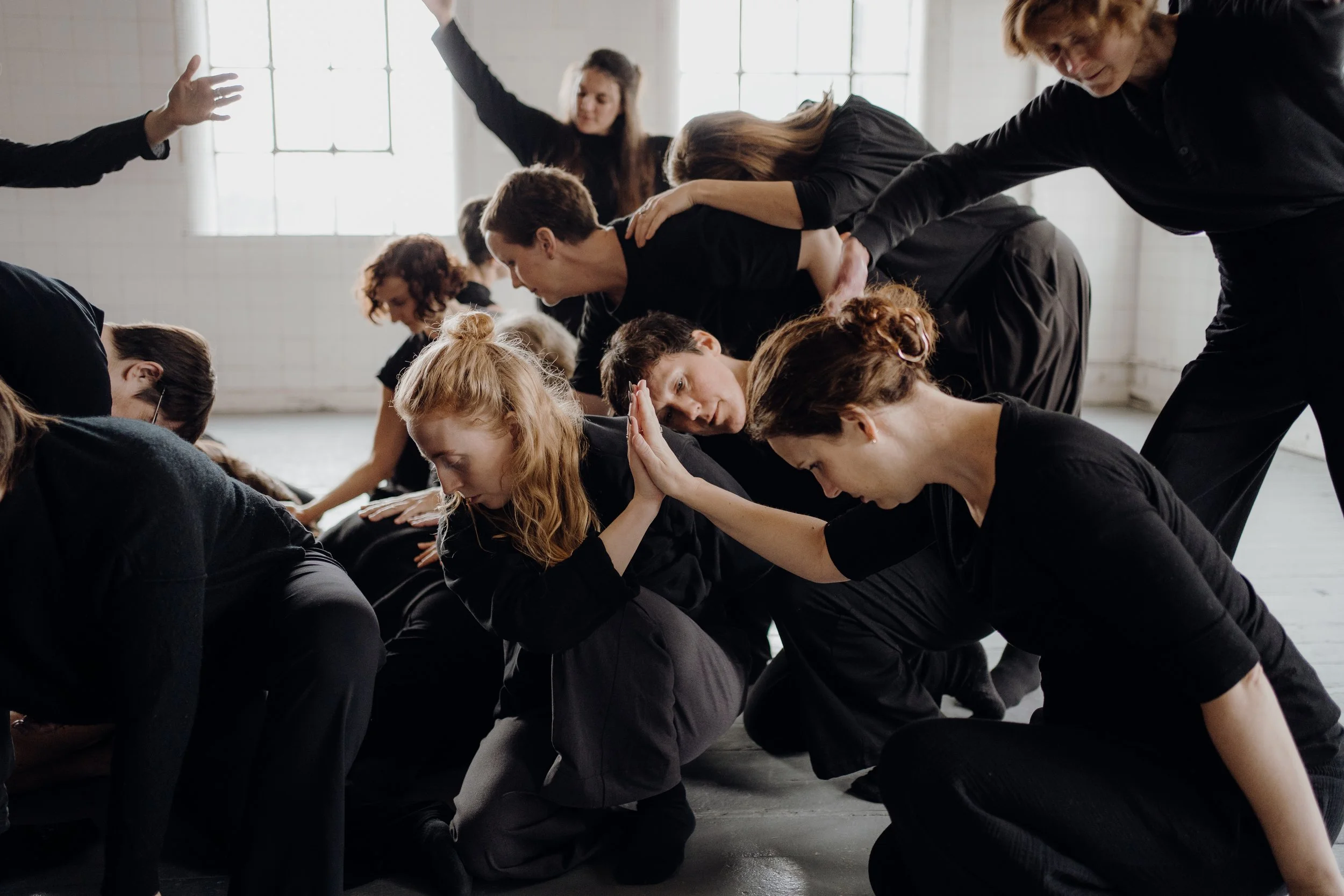
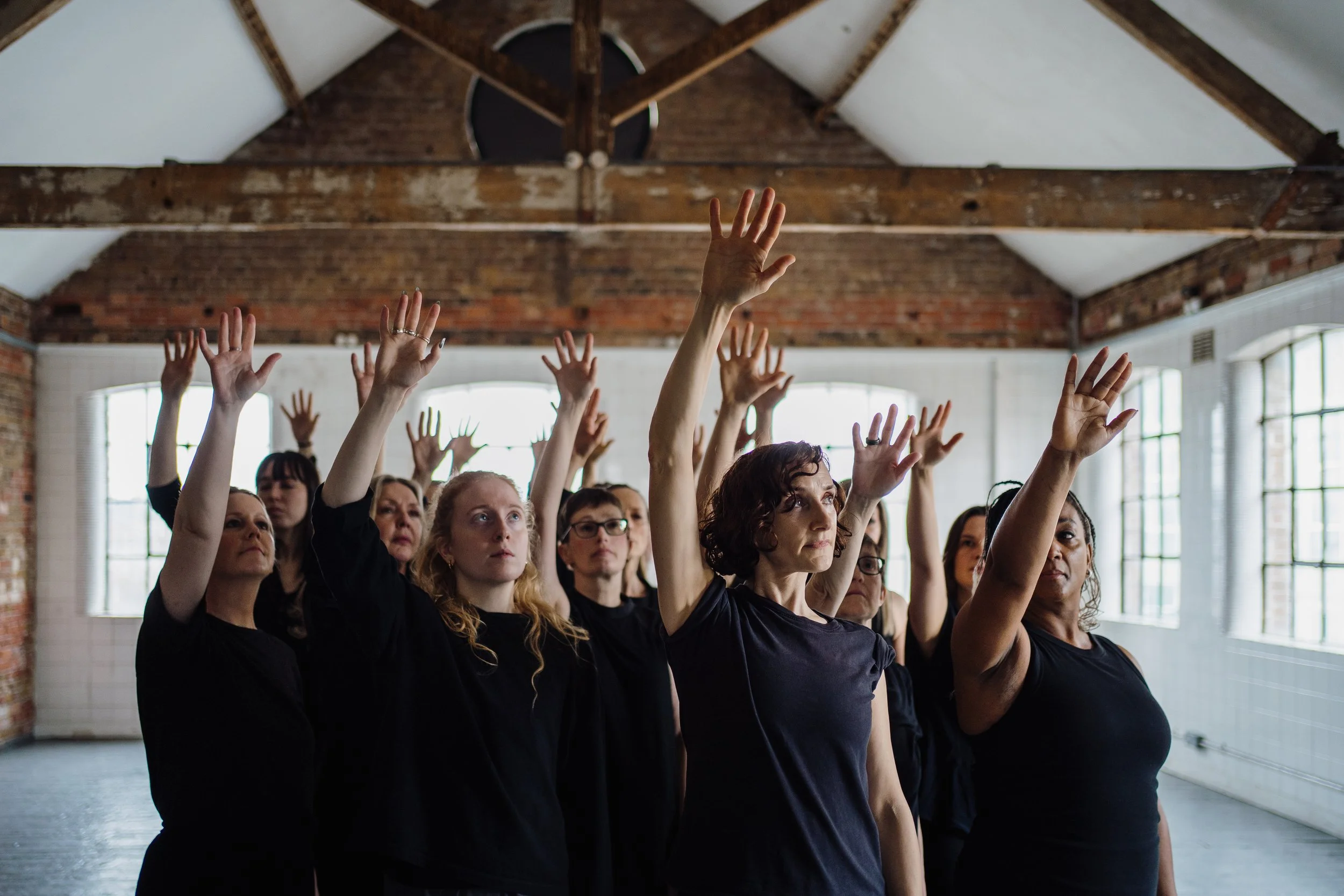
Rooted in community, the film unfolds through movement, drawing viewers into the energising power of dance. It challenges narratives of fragility and limitation by platforming courage, strength and possibility.
Through these dancing bodies, visibility becomes a collective and affirming act. The body is honoured - not defined by illness, but celebrated for its expressive, resilient, and playful capabilities.
To See the Beauty asks audiences to embrace polarities, witness the richness of human experience, and feel the visceral joy that arises when women gather to dance in meaningful connection - a work as transformative as it is beautiful.
“Through dancing together I saw that even in our darkest times, there is still so much beauty to be found.”
This film was commissioned and funded by Novartis Pharmaceuticals UK Limited.
The making of the film
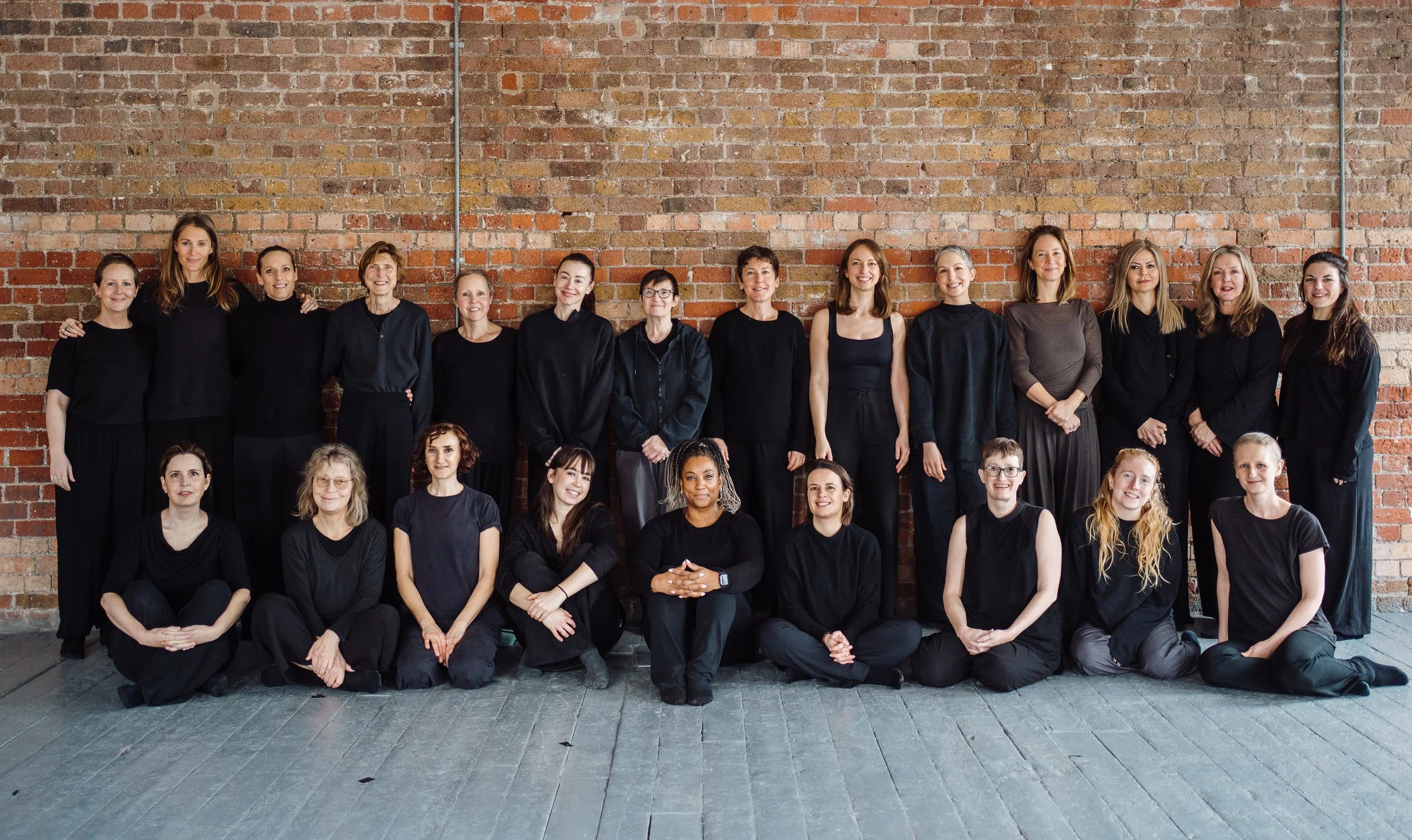
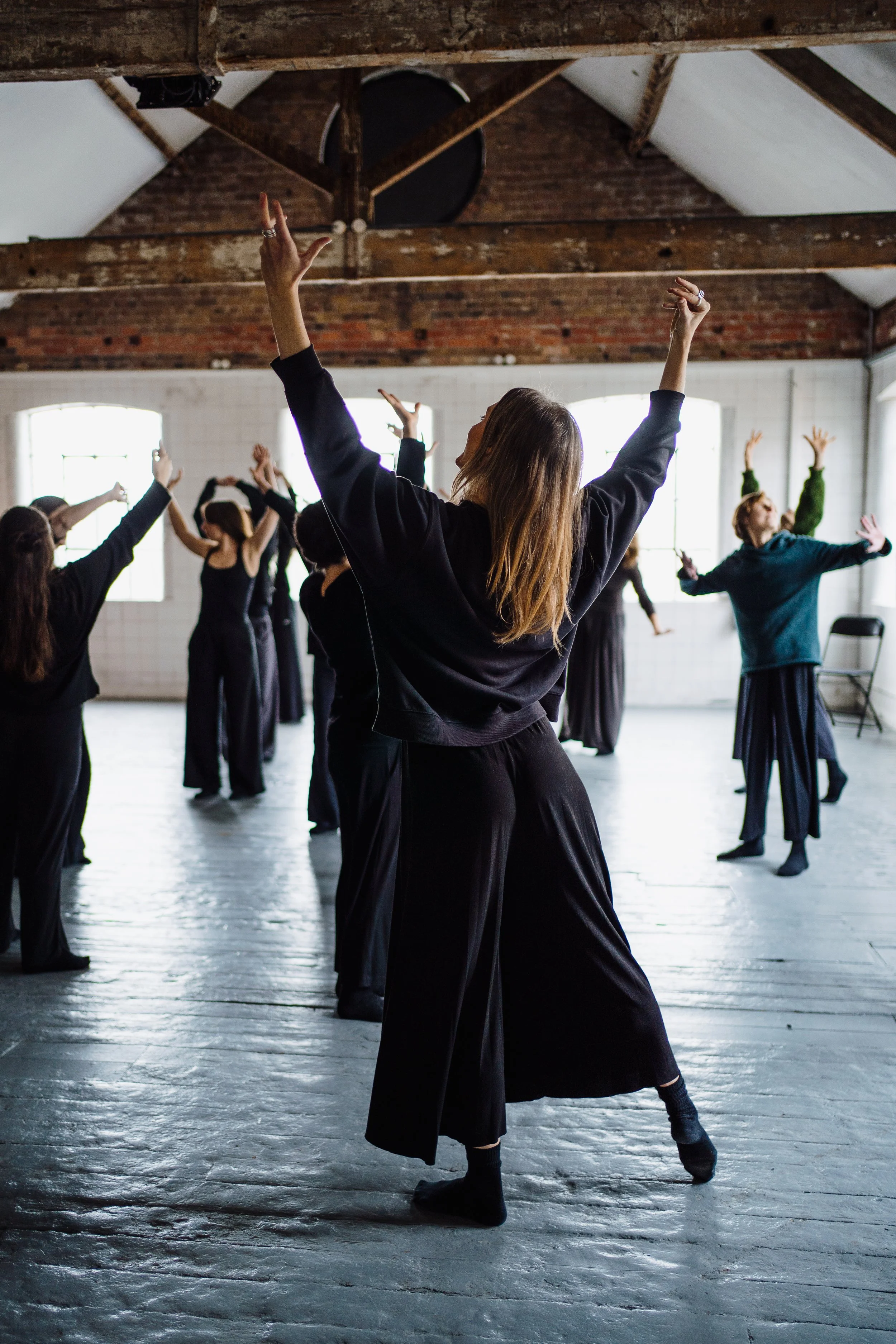
To See the Beauty is a co-created work: where the 24 women involved shaped themes, devised choreography, and together made decisions, ensuring authenticity and agency throughout.
The group comprised women living with cancer, women in remission from cancer, women supporting someone affected by cancer, and Move Dance Feel creatives.
Developed over 6 months, between Autumn 2025 and Spring 2026, women from across the UK gathered to dance both online and in person - coming together for filming days in London.
The filmmaking process was led by Director Emily Jenkins and Filmmaker Alice Underwood, in collaboration, and guided by Move Dance Feel artists. Poetry and words that emerged during the creative process are woven throughout the film, spoken by the women who feature in it, and set to an original score by musician Alex Paton.
The project foregrounds artistic quality as well as care, positioning women affected by cancer as contributors, not just recipients of support. It highlights how creative practice can sit alongside health and wellbeing, without reducing women to diagnoses.